



Few industries move as fast as digital marketing. Not too long ago, the cutting edge of optimization meant manually parsing massive datasets, then using those insights to power traditional A/B tests and incremental tweaks. Today, AI conversion rate optimization tools take that process to the next level, automating what once took entire teams weeks to complete.
A quick search reveals AI-powered platforms from big names like LinkedIn and Dynamic Yield by Mastercard, signaling that manual optimization is officially on its way out. Marketers everywhere are making the shift. The question is no longer if AI belongs in your strategy, but how you’ll leverage it to stay ahead.
AI now predicts user behavior, personalizes buyer experiences, and optimizes campaigns in real-time — faster than even the most agile marketing teams. Those who embrace this evolution gain a competitive edge, while those who don’t risk falling behind in an industry that never slows down. Explore how AI is changing the course of optimization for good.
Key AI Conversion Rate Optimization Insights
- AI Accelerates CRO: AI automates analysis and testing, delivering insights in minutes instead of weeks.
- Predict User Behavior: Machine learning anticipates user actions to serve personalized content, offers, and experiences that drive higher conversions.
- Automate Testing in Real Time: AI enables A/B and multivariable testing, automatically routing traffic to top-performing variations.
- Personalize at Scale: Tailored content and layouts create seamless, friction-free experiences that improve engagement and loyalty.
- Continuous Optimization: AI-driven campaigns adapt instantly to behavior, maximizing ROI without adding team resources.
Conversion Rate Optimization and Its Role in Digital Growth
Conversions refer to the actions you want a visitor to take on your website. For an ecommerce brand, that’s often a purchase. For a B2B company, it might be a completed lead form. Even a free trial signup or newsletter subscription can count as a conversion — any step that moves a visitor closer to becoming a customer.
Conversion rate optimization (CRO) focuses on increasing the percentage of visitors who take those desired actions. Instead of just driving more traffic to your site, CRO improves the quality of the experience, so the traffic you already have delivers more value. This means refining everything from landing page design and content to navigation and checkout flows.
In today’s hyper-competitive digital landscape, CRO is critical for growth. Even minor improvements can translate into maximum revenue gains over time. By understanding user behavior and removing friction points, businesses can boost sales, capture more leads, and maximize ROI — all without increasing ad spend or marketing budgets.
Why Traditional CRO Falls Short for Modern Brands
Traditional CRO methods rely heavily on manual effort. Teams spend hours combing through spreadsheets and dashboards to understand user behavior, just to spend another few days running A/B tests to gauge which tweaks might improve performance. While this approach certainly has value, it’s also slow, labor-intensive, and often limited in scope.
Even with the best intentions, traditional conversion rate optimization methods can’t keep up with the speed and complexity of today’s digital buyer or modern marketing campaigns.
Manual Analysis is Time-Consuming and Prone to Bias
Manually reviewing large datasets requires significant time and specialized expertise. The process is not only tedious but also vulnerable to human bias. What one analyst perceives as a “problem area” may not be supported by the full data. This subjectivity can lead to misaligned strategies and missed opportunities for optimization.
Not to mention, as campaigns grow and businesses collect more data across multiple touchpoints, this challenge compounds. Teams may spend more time interpreting data than they do actually implementing solutions, slowing progress and hindering bottom-line growth.
Standard A/B Testing Has Its Limits
A/B testing has long been a staple of CRO, allowing marketers to compare two versions of a page or element to see which performs better. But while useful, this method has significant constraints. Running a single A/B test can take weeks to reach statistical significance, especially for lower-traffic sites.
Likewise, testing multiple variables — like headlines, layouts, and CTAs — multiplies the timeline and complexity. The result? A slow, fragmented process that rarely captures the full scope of user behavior or preferences.
High Costs and Resource Demands
Any marketing executive would agree that traditional CRO isn’t just slow, it’s expensive. The manual labor involved in data analysis, test setup, and reporting requires a dedicated team of specialists. Add in the costs of tools and platforms needed to execute these strategies, and the investment quickly adds up.
For many businesses, this raises a tough question: Is the return on investment worth the ongoing spend? Without scalable, automated solutions, traditional CRO often struggles to deliver consistent, cost-effective results.
A New Era of AI Conversion Rate Optimization
The rise of artificial intelligence has introduced a new era of conversion strategy. AI conversion rate optimization uses machine learning algorithms to process massive datasets, uncovering patterns, trends, and anomalies that human analysis might overlook or undervalue. This allows businesses to optimize conversion funnels, refine messaging, and improve user experiences with far greater speed and accuracy.
By automating data collection and analysis, AI delivers real-time insights that drive smarter decisions and more seamless customer journeys. From personalizing content to predicting user behavior, AI enables brands to instantly adapt to audience needs — creating engaging, friction-free experiences that not only increase conversions but also boost long-term growth.
The Power of AI Conversion Rate Optimization for Growth
Unlike traditional CRO methods that rely on manual adjustments and isolated A/B tests, AI conversion rate optimization digs deeper into trends in a fraction of the time. AI-powered tools analyze massive amounts of user data in real-time, from where visitors click to which products they view, and automatically make smarter, data-backed adjustments.
Machine learning algorithms can even predict what users might want next, allowing brands to dynamically optimize calls to action, customize offers, and tailor page layouts on the fly. This ability to respond in real-time helps businesses uncover new revenue opportunities, fine-tune performance, and create experiences that evolve alongside their customers.
It’s no wonder AI is powering a new level of precision and speed that traditional CRO simply can’t match.
Instantly Personalize Content
Personalization is one of the most powerful capabilities of AI conversion rate optimization. By leveraging past purchases, browsing history, and even user preferences, AI generates tailored product recommendations and content suggestions.
For example, Ulta Beauty’s “Make it a routine” prompt encourages shoppers to complete their makeup or skincare regimen by recommending complementary products. This AI-driven approach boosts cart value while creating a seamlessly customized shopping experience.

Automate A/B Testing
Traditional A/B testing is slow and often limited to testing one variable at a time. AI takes this process to the next level. It can write new headlines, CTAs, and other page elements at warp spee and simultaneously test multiple variations of headlines, layouts, and CTAs, then automatically shift traffic to the highest-performing version in real-time.
This automation saves weeks of manual setup and analysis, allowing teams to focus on strategy instead of data crunching.
Easily Predict User Behavior
Another strength of AI conversion rate optimization is its ability to predict what users will do next. By analyzing patterns in behavior — such as clicks, session duration, and navigation paths — AI can anticipate needs and deliver relevant suggestions before users even realize they need them.
Spotify uses this strategy to perfection, curating personalized playlists like “Release Radar” and “Discover Weekly.” By anticipating listeners’ tastes based on previous behavior, Spotify keeps users engaged and coming back for more.


Create Better User Experiences
When combined, personalization, automated testing, and predictive analytics lead to a smoother, more satisfying user journey. Visitors see content, offers, and layouts tailored to their needs, minus the slow load times or clunky trial-and-error testing that’s synonymous with traditional CRO.
This seamless experience doesn’t just increase conversions in the short term; it builds trust and loyalty over time. As users encounter a site that “understands” them, they’re more likely to return, convert again, and become long-term customers.
How to Implement AI Conversion Rate Optimization
1. Define Clear Campaign Goal
Start by setting specific, measurable goals, such as increasing form submissions, boosting ecommerce sales, or improving free trial sign-ups. These objectives guide what to test, where to personalize, and how to optimize performance. Without well-defined targets, even the most powerful algorithms can’t deliver meaningful results.
2. Map and Analyze User Behavior
The strength of AI lies in its ability to process vast amounts of behavioral data in real-time. Tools like AI-powered heatmaps, such as Hotjar, reveal how visitors interact with your site — tracking clicks, scroll depth, and hesitation points.
Integrating these insights with platforms like Google Analytics uncovers hidden patterns across devices and channels, helping you understand where users drop off and where they’re most likely to convert. This level of analysis provides a foundation for more predictive, precise CRO strategies.

3. Automate A/B and Multivariable Testing
Traditional A/B testing is slow and limited to one variable at a time. AI takes this further by running multivariable tests automatically, simultaneously analyzing multiple elements across headlines, images, and layouts, and instantly routing traffic to top performers.
This dynamic approach eliminates the long wait for statistical significance, ensuring users always experience the highest-performing version of your site or landing page.
4. Personalize Experiences at Scale
AI-powered customization tailors content, layouts, and offers to each visitor in real-time. By analyzing browsing behavior, location, device, and past interactions, AI creates dynamic experiences that feel one-to-one, not mass-produced.
For example, product recommendations, adaptive headlines, or even customized landing pages can shift based on a user’s journey — boosting engagement and making every interaction more relevant.
5. Predict and Prioritize User Intent
Advanced AI conversion rate optimization platforms don’t just react to user behavior, they predict it. By scoring visitors in real-time, AI identifies high-value prospects and delivers targeted messages or offers before they bounce.
This predictive targeting enables marketing teams to focus resources on the most promising leads, improving efficiency and increasing conversion potential without adding more manual effort.
6. Continuously Monitor and Refine
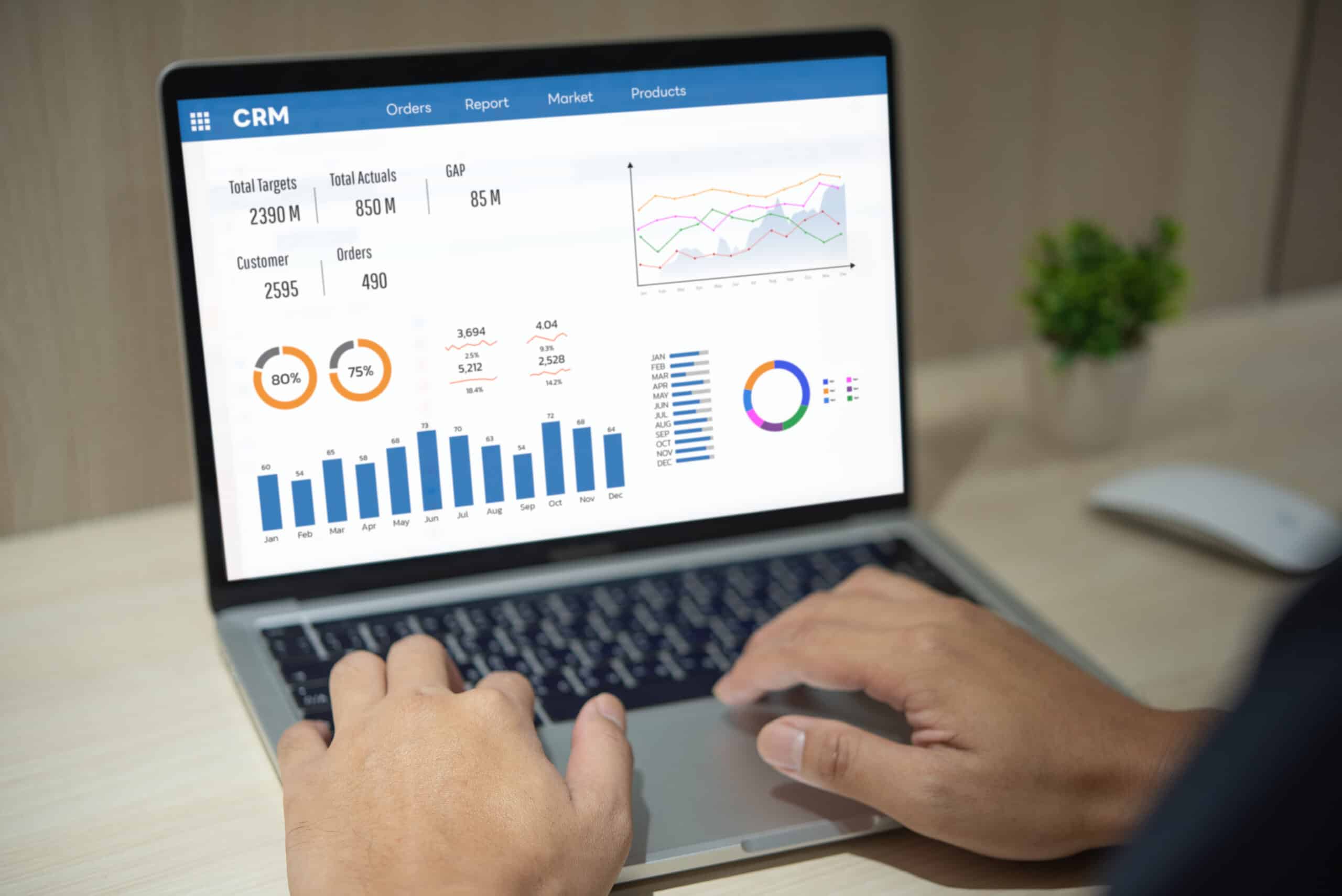
CRO isn’t a one-and-done project. Use AI-driven dashboards to track key metrics like bounce rate, session time, and overall conversion performance. These platforms highlight trends, flag underperforming elements, and even recommend new optimization opportunities.
By continuously monitoring and iterating, you keep your AI conversion rate optimization strategy sharp, adaptive, and aligned with evolving user behavior.
Turn Insight into Action with AI Conversion Rate Optimization
AI conversion rate optimization takes the guesswork out of digital strategy. By analyzing massive amounts of user data, from browsing behavior to purchase patterns, AI uncovers intent and delivers hyper-relevant content, offers, and experiences. The result is a seamless, customized journey that adapts in real-time to each visitor’s needs.
Ready to evolve your CRO strategy?
Reach out to Bullseye Strategy and discover how our team can help you create more personalized — and more profitable — user journeys.
AI Conversion Rate Optimization FAQs
What is AI conversion rate optimization?
AI conversion rate optimization uses artificial intelligence and machine learning to analyze user behavior, predict actions, and make real-time changes to your website or marketing campaigns. This approach helps increase conversions by delivering personalized, data-driven experiences at scale.
How is AI conversion rate optimization different from traditional CRO?
Traditional CRO relies on manual data analysis and A/B testing, which can be time-consuming and limited in scope. AI conversion rate optimization automates this process, analyzing massive datasets instantly and making real-time adjustments. This creates faster, more precise, and more cost-effective optimizations that eliminate much of the guesswork.
What are the benefits of using AI for CRO?
AI provides deeper insights into user behavior, automates testing, and personalizes experiences in real-time. These capabilities lead to higher conversion rates, better user experiences, and more efficient marketing spend — all without requiring a larger team or endless manual effort.
What tools are used in AI conversion rate optimization?
Popular tools include AI-powered personalization engines, predictive analytics platforms, and heatmaps that track user interactions. Many businesses integrate these tools with Google Analytics or CRM systems to create a unified view of user behavior and optimize journeys across channels.
How do I get started with AI conversion rate optimization?
Start by defining clear marketing goals, such as increasing sales or lead generation. Then, choose an AI-powered CRO platform that fits your needs, integrate it with your analytics tools, and begin with small tests. Partnering with an experienced agency like Bullseye Strategy can help you implement AI CRO strategies effectively and scale them for long-term growth.