


When you’re working with SEO reporting tools, it doesn’t take long to notice something strange: the numbers rarely match. Google Search Console says one thing, SEMrush another, and Ahrefs has an entirely different third interpretation of the data. For marketers and stakeholders alike, this inconsistency can cause confusion — or worse, misinformed decisions.
But here’s the truth: these data discrepancies aren’t a problem. They’re an opportunity.
In this blog, we’ll explore why SEO reporting tools often disagree, how to interpret SEO metrics across platforms, and why a multi-tool strategy leads to smarter, more accurate insights.
Quick Takeaways:
- SEO tools report differently; discrepancies are normal.
- Focus on trends, not exact numbers.
- Use each tool for its strength: GSC for on-site data, SEMrush/Ahrefs for competitive insights, Screaming Frog for technical health.
- Multi-tool reporting uncovers deeper insights than any single tool.
- Dashboards and expert analysis turn data into actionable SEO strategies
Why Do SEO Reporting Tools Show Different Data?
There’s no such thing as a “single source of SEO truth.” Each tool collects, processes, and reports data in its own unique way — which explains why even the best SEO reporting tools can show different results for the same keyword or page.
Here are a few reasons why this happens:
1. Different Data Sources
Google Search Console pulls first-party data directly from your site’s search performance. Tools like SEMrush, Ahrefs, or Moz use their own crawlers and third-party data. So when you’re comparing Google Search Console vs SEMrush, you’re really looking at two different systems measuring different things.
2. Varying Crawl Frequencies
Screaming Frog might scan your site today, but Ahrefs may not crawl it again for another few days. This timing lag can cause discrepancies in index status, technical errors, or backlink counts.
3. Keyword & SERP Tracking Differences
Each tool tracks keywords and SERP features slightly differently. A ranking drop might appear in one dashboard but not in another, not because the ranking didn’t change, but because tools update their data at different times and sometimes classify features differently. For example, one tool might check rankings daily, while another checks weekly, so a temporary drop could appear in one tool but not the other. Additionally, one tool might count an AI overview as a “featured snippet,” while another lists it separately.
4. Metric Definitions Vary by Platform
Terms like “clicks,” “visits,” and “visibility scores” may sound similar across tools, but they’re often calculated differently. Without understanding each tool’s methodology, it’s easy to misinterpret the meaning behind the metrics — especially when comparing platforms side by side.
Interpreting Discrepancies Without Panic
Seeing mismatched numbers between your SEO reporting tools can trigger alarm bells, especially when reporting to clients or executives. But those differences don’t signal a problem; they’re a prompt to dig deeper.
Here’s how to approach SEO data discrepancies with clarity and confidence:
1. Focus on Direction, Not Precision
If Ahrefs shows a 10% drop in keyword visibility while Google Search Console shows a slight uptick in clicks, don’t panic. The goal isn’t to match the numbers perfectly — it’s to understand the overall trend. Are most tools signaling improvement, stagnation, or decline? That directional insight is what drives smart decisions.
2. Contextualize by Tool Type
Each platform has a strength:
- Google Search Console: Ideal for on-site performance and user queries
- SEMrush/Ahrefs: Competitive benchmarks, keyword opportunities, backlink profiles
- Screaming Frog: Technical SEO health and site structure issues
Don’t expect one tool to explain everything — expect it to explain its slice of the SEO story.
3. Zoom Out to See Patterns
While metrics like rankings or impressions can fluctuate daily, patterns over time tell a clearer story. Spotting consistent changes across multiple tools is often more revealing than zeroing in on a single data point.
4. Use Discrepancies to Your Advantage
When two tools disagree, ask why. That line of questioning often uncovers opportunities: missing keywords, crawlability issues, or ranking shifts that one tool picked up first. This is where multi-tool analysis delivers the edge — it helps you identify what’s real vs what’s just noise.
How Bullseye Strategy Verified Conflicting SEO Data in SERP Feature Rankings
At Bullseye Strategy, we monitor SEO data across tools to provide verified insights. Recently, one of our Senior SEO Specialists noticed a striking example while providing monthly insights for a client.
While analyzing SERP feature rankings in SEMrush, the tool reported visibility across multiple features, such as featured snippets, image packs, and AI overviews, rather than just traditional organic listings. However, when we manually checked each keyword in the live SERP, only a small fraction of those placements actually appeared. To ensure reporting accuracy, we cross-checked every SERP feature ranking change before sharing insights with the client. The investigation revealed that SEMrush had overinflated certain SERP feature rankings, likely due to volatility in AI-driven search results.
Key takeaways from this process:
- No single SEO tool can be trusted blindly. Tools may report inaccurate rankings, especially in evolving AI-influenced SERPs.
- Manual verification is essential. Cross-checking key metrics ensures accurate client reporting and builds trust.
- Multi-tool analysis improves insights. Comparing multiple platforms provides a clearer, more reliable picture of actual search performance.
This experience reinforced a core principle: in a fast-changing SEO landscape, expert analysis combined with multi-tool verification is the only way to turn data into actionable, trustworthy insights. By validating metrics manually and across platforms, we preserved client confidence and gained a deeper understanding of real SERP trends.
At Bullseye Strategy, we partner with clients to turn complex SEO data into clear, actionable insights. By combining expert analysis with multi-tool verification, we provide the clarity and context teams need to make confident, strategic decisions.

The Power of a Multi-Tool SEO Strategy
Relying on a single SEO platform is like trying to navigate a city with one street view — you’ll get somewhere, but you won’t see the full picture. When used strategically, multiple SEO reporting tools offer layers of insight that make your optimization efforts smarter, faster, and more accurate.
At Bullseye Strategy, we believe that smart tools require even smarter people behind them — and that’s where our clients see the biggest benefits in working with us.
A Layered Approach to Smarter SEO
The truth is, there’s no one-size-fits-all SEO platform -and that’s exactly why our team stays fluent in multiple tools. We’ve worked across platforms like Google Search Console, SEMrush, Ahrefs, Screaming Frog, and GA4, applying them where they make sense based on the client’s needs, industry, and goals.
But these are just examples -not our official stack.
At Bullseye Strategy, we don’t believe in vendor loyalty. We believe in performance loyalty. Our SEO experts evaluate each client’s challenges and goals to determine which tools will unlock the clearest insights and deliver the best results.
Because sometimes the right answer isn’t the most popular platform — it’s the one that actually solves the problem.
Constant Reevaluation Is Our Edge
The SEO landscape is fluid. Rankings change, algorithms update, and reporting tools evolve constantly. That’s why our team regularly audits and reevaluates our tools to make sure they still meet the moment.
And our evaluation scope isn’t limited to traditional SEO platforms.
We also explore category-specific and emerging tools when the strategy calls for it. For instance, in the realm of influencer-driven SEO and content amplification, we’ve worked with platforms like:
- Scrunch – for influencer discovery and outreach insights
- BuzzSumo – to identify trending content and influential voices by topic
- Traackr – to measure influencer engagement and brand impact over time
These tools don’t track rankings or keywords — they help surface strategic partnerships, amplify SEO-driven content, and support full-funnel visibility in digital campaigns.
Our clients benefit from this cross-functional thinking. Instead of getting siloed SEO reports, they get holistic insight that supports their entire marketing strategy — from search to social to sales.
Our Tech Stack Is Curated — and Constantly Evolving
SEO isn’t static, and neither is the technology behind it. We use a carefully selected martech stack designed to deliver data that’s accurate, actionable, and aligned with each client’s unique goals.
Our team of SEO experts doesn’t just rely on tools — they evaluate, challenge, and refine them continuously. We regularly audit our reporting platforms and methodologies to ensure that we’re using the best tools available, not just the most popular.
This ongoing reevaluation process means we’re not locked into outdated software or static workflows. We move with the industry — and often ahead of it — so our clients stay competitive in even the most dynamic search environments.
How Our Clients Benefit
By combining expert interpretation with a robust, evolving toolset, our clients gain:
- Full-spectrum SEO visibility – from technical health to content opportunity
- Customized strategies built on multi-source data
- More confident decision-making, backed by well-rounded insights
- Faster detection of trends or issues before they escalate
Simply put: when your reporting tools work together -and are managed by experienced strategists, you get a level of clarity that outperforms any single-source dashboard.
How SEO Tools Are Evolving for AI
The SEO landscape is shifting — and modern tools are racing to keep pace with AI-driven changes in how users search and how content is evaluated.
From integrating large language models for content gap analysis, to automating technical audits and surfacing predictive insights, today’s best SEO reporting tools are evolving fast. Platforms like Ahrefs and SEMrush now offer AI-assisted keyword clustering, AI content scoring, and smarter rank tracking powered by machine learning.
We stay ahead by continually exploring how these AI-driven enhancements can sharpen our SEO strategy — without losing the human intelligence that turns data into action.
We don’t replace our team with AI — we equip them with it. The result? More efficient workflows, deeper insights, and strategies that evolve right alongside the algorithms.
Bringing It All Together: Building a Unified SEO Dashboard
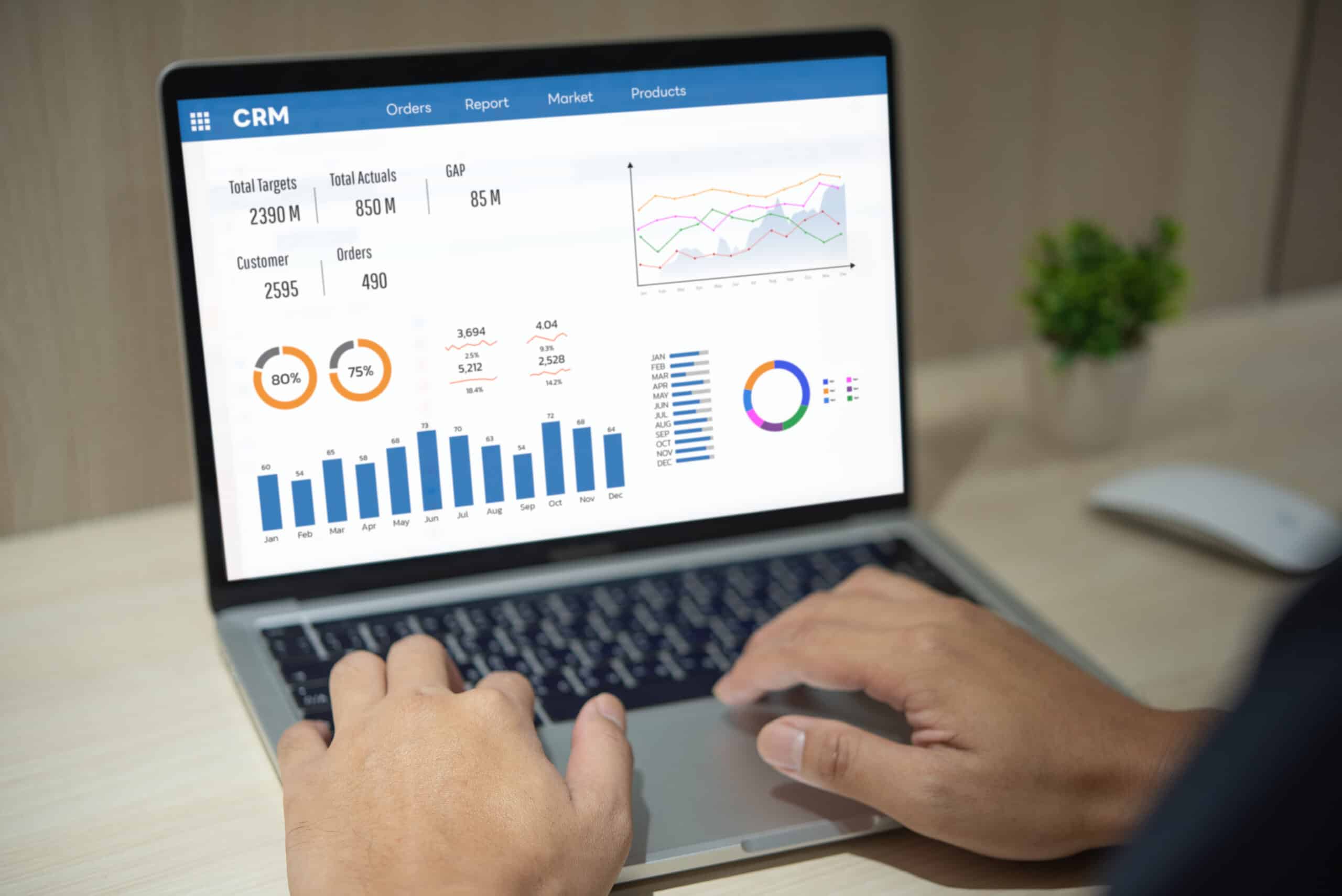
When you’re working across multiple SEO reporting tools, insights can start to feel fragmented. One tool shows ranking fluctuations, another flags technical issues, and a third highlights content gaps. Pulling it all together manually can drain time — and increase the risk of miscommunication.
That’s where unified SEO dashboards come in.
Why Dashboards Matter
Dashboards aren’t just pretty charts. They help:
- Visualize data from multiple tools in one place
- Compare trends across platforms (like GSC vs Ahrefs)
- Align technical, content, and performance metrics in a single view
- Streamline reporting for stakeholders who need clarity, not complexity
They’re especially powerful when tracking KPIs over time or when delivering performance updates to executive teams, CMOs, or clients.
Options for Dashboard Creation
There’s no one right way to build a dashboard, but here are some of the most effective paths:
1. Google Looker Studio (formerly Data Studio)
Ideal for connecting GSC, GA4, and even SEMrush via connectors. Customizable and client-friendly.
2. Platform-Based Dashboards
Many SEO tools (like SEMrush, Ahrefs, or Moz Pro) offer built-in dashboards, though they’re typically limited to that platform’s data.
3. Custom BI Solutions
For enterprise clients or complex data environments, we’ve worked with tools like Tableau or Power BI to build deeper, cross-channel dashboards that integrate SEO, paid media, and CRM data.
Final Thoughts: In SEO, Insight Beats Precision
When your SEO reporting tools disagree, it’s not a flaw in the system — it’s a signal to look deeper.
No single platform can give you the full story. But by using multiple SEO reporting tools, asking the right questions, and interpreting the discrepancies with strategy in mind, you unlock a level of clarity that others miss.
At Bullseye Strategy, we don’t chase “perfect” data. We pursue actionable insights — the kind that move rankings, drive traffic, and align with your business goals.
Because in the end, it’s not about which tool has the cleanest graph — it’s about which insights move the needle.
Frequently Asked Questions (FAQ)
Why does Google Search Console data differ from Ahrefs?
Because they collect data differently. Google Search Console shows first-party search behavior on your site, while Ahrefs uses its own crawler and keyword database. Both are useful, but they serve different purposes.
Which SEO reporting tool is most accurate?
Accuracy depends on what you’re measuring. GSC is best for on-site performance. Ahrefs and SEMrush are strong for competitive data. Technical tools like Screaming Frog excel at audits. The most accurate picture comes from using them together.
How should I interpret SEO data discrepancies?
Look for directional trends, not exact matches. Differences are normal due to varying crawl schedules, keyword tracking, and metric definitions. Focus on patterns across time and tools, not isolated spikes or drops.
Is it bad if my keyword rankings don’t match across tools?
Not at all. Each tool tracks a different keyword set and updates at different times. Instead of chasing perfect alignment, use the differences to ask better strategic questions.
Should I use more than one SEO reporting tool?
Yes — especially if you’re serious about results. A multi-tool approach helps you see more clearly, act more confidently, and uncover insights you’d miss with a single-source setup.
Are SEO tools evolving to handle AI?
Absolutely. Many platforms now offer AI-assisted keyword research, predictive analytics, and content scoring. At Bullseye, we continually explore these innovations — not to replace our experts, but to empower them.