



Programmatic advertising strategies have moved beyond simple automation. Today’s sophisticated platforms use artificial intelligence to make real-time decisions about audience targeting, bid optimization, and creative delivery at a scale impossible for human teams to match, driven by systems that learn from every impression, click, and conversion.
For marketing leaders managing complex sales cycles, seasonal demand patterns, or multi-location operations, this evolution represents a fundamental shift in how programmatic campaigns drive measurable business outcomes. The question isn’t whether to adopt intelligent programmatic strategies. It’s how quickly you can integrate data-driven automation that responds to your specific market dynamics.
The Intelligence Layer: How AI Is Reshaping Campaign Performance
What we’re seeing now goes far beyond the basic automation that defined early programmatic advertising. Traditional platforms could handle the buying process automatically, but they still relied on static targeting parameters and manual optimization. Modern AI-powered systems continuously analyze performance patterns, audience behavior, and competitive dynamics to adjust campaigns in real time.
This intelligence manifests in predictive audience modeling that identifies high-value prospects before they enter your funnel. For luxury real estate developers, this means reaching preconstruction buyers who match your historical conversion patterns across income, location, and lifestyle indicators. Restaurant groups can target diners who frequent similar concepts during specific dayparts or seasonal periods.
The operational impact is measurable. Campaign managers who previously spent hours analyzing performance data and adjusting bids can now focus on strategic decisions while AI handles optimization at the impression level. Creative teams see which messaging variations drive the highest engagement rates across different audience segments, informing both paid and organic content strategies.
Real-Time Optimization: Beyond Set-and-Forget Campaign Management
Building on this foundation of intelligent decision-making, we see how real-time optimization transforms campaign execution. Intelligence-driven programmatic advertising operates on feedback loops measured in milliseconds, not days or weeks. Each auction evaluates dozens of variables: user behavior history, device type, location, time of day, and competitive landscape dynamics. The system learns which combinations drive conversions and adjusts bidding strategies accordingly.
For hospitality brands managing seasonal demand fluctuations, this means campaigns that automatically shift budget allocation between direct booking campaigns and brand awareness initiatives based on occupancy rates and booking velocity. B2B companies see lead quality improvements as the system identifies which content formats and landing page experiences convert prospects at different stages of the buying cycle.
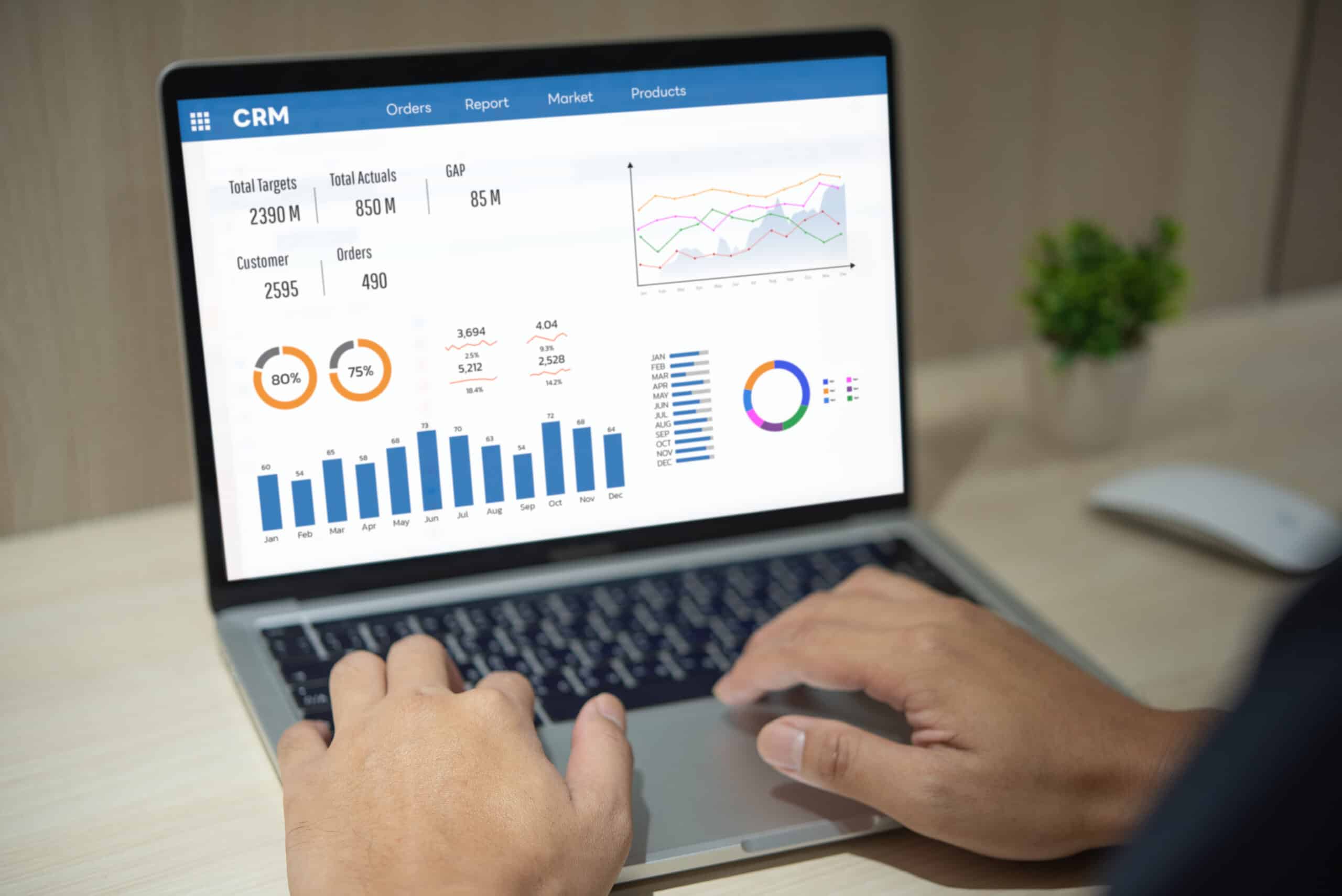
The data integration capabilities separate advanced programmatic platforms from basic automation tools. Systems that connect CRM data, website analytics, and offline conversion tracking create unified audience profiles that inform bidding decisions across all touchpoints. Brands that unify CRM + ad data see better attribution accuracy, enabling more precise budget allocation and performance measurement.

Data Integration: Building Unified Customer Profiles for Precision Targeting
The real power behind these intelligent systems lies in their ability to orchestrate data from multiple sources. The most significant advancement in programmatic advertising strategy lies in data orchestration capabilities. Modern platforms ingest first-party data from CRM systems, website behavior tracking, email engagement metrics, and offline conversion events to build comprehensive customer profiles that inform every targeting decision.
This unified approach transforms how brands identify and reach high-value audiences. Ecommerce brands can target users who abandoned specific product categories while excluding recent purchasers, optimizing for customer lifetime value rather than just immediate conversions. Multi-concept restaurant groups can create lookalike audiences based on guests who visit multiple locations, driving cross-concept traffic and increasing average ticket sizes.
The strategic advantage comes from connecting programmatic performance to business outcomes that matter to executive stakeholders. Revenue attribution becomes more accurate when campaigns can track the complete customer journey from initial awareness through final conversion. Marketing directors can demonstrate how programmatic spend directly impacts pipeline quality, booking velocity, or same-store sales growth.
Advanced Targeting Capabilities: Reaching High-Intent Audiences at Scale
With comprehensive data profiles in place, programmatic platforms can execute targeting strategies that were impossible just a few years ago. Intelligence-driven programmatic platforms excel at identifying and reaching audiences that traditional targeting methods miss. Behavioral pattern recognition identifies users who exhibit purchase intent signals across multiple touchpoints, even when they haven’t directly engaged with your brand yet.

For luxury real estate developers, this means reaching prospects who research comparable properties, visit architect portfolios, or engage with interior design content. The system recognizes these behavioral patterns and includes these users in targeting segments before competitors identify them. Hotel marketing managers can target travelers who book similar properties in different markets, expanding reach beyond geographic limitations.
The contextual intelligence layer adds another dimension to audience targeting. Campaigns adjust messaging and creative based on the content environment where ads appear. A travel brand’s programmatic campaigns might emphasize adventure experiences on outdoor recreation sites while highlighting luxury amenities on lifestyle publications, all automated based on performance data.
Creative Optimization: Dynamic Content That Responds to Audience Behavior
Just as targeting has become more sophisticated, creative delivery has evolved to match audience intelligence with message relevance. Modern programmatic advertising platforms optimize creative elements with the same intelligence applied to audience targeting and bidding strategies. Dynamic creative optimization tests multiple combinations of headlines, images, calls-to-action, and messaging frameworks to identify which variations drive the highest engagement rates for specific audience segments.
This capability particularly benefits brands with complex value propositions or multiple service offerings. B2B SaaS companies can automatically test feature-focused messaging against outcome-focused messaging, adjusting creative delivery based on where prospects are in the buying cycle. Restaurant groups can showcase different menu items or dining experiences based on audience preferences and historical conversion data.
The feedback loop between creative performance and audience insights creates continuous improvement cycles. Creative elements that resonate with high-converting audience segments inform broader brand messaging strategies, while underperforming creative combinations are automatically removed from rotation. Marketing teams gain insights into which brand messages drive action, not just engagement.

Measuring Intelligence: Attribution and Performance Metrics That Matter
As programmatic advertising becomes more intelligent, measurement frameworks must evolve to capture the full value of these systems. The evolution toward intelligent programmatic advertising requires equally sophisticated measurement frameworks. Traditional metrics like click-through rates and cost-per-click provide limited insight into campaign intelligence. Advanced attribution models track how programmatic touchpoints influence conversions across the entire customer journey.
Multi-touch attribution reveals how programmatic campaigns work alongside organic search, email marketing, and direct traffic to drive conversions. Hotel brands can see how programmatic display campaigns influence direct booking rates, even when guests don’t click on ads. Real estate developers track how programmatic awareness campaigns impact sales appointment quality and contract velocity.
The measurement sophistication extends to predictive analytics that forecast campaign performance based on early indicators. Marketing leaders can identify underperforming campaigns before significant budget is wasted, while high-performing segments receive increased investment automatically. This predictive capability becomes particularly valuable for brands with seasonal demand patterns or long sales cycles.
The Strategic Advantage: Why Intelligence Matters for Competitive Positioning
When all these elements work together, they create something more powerful than the sum of their parts. Intelligent programmatic advertising creates competitive advantages that compound over time. As AI systems learn from campaign performance, they become more effective at identifying high-value audiences and optimizing creative delivery. Brands that adopt these capabilities early build data advantages that become harder for competitors to replicate.
The operational efficiency gains free marketing teams to focus on strategic initiatives rather than manual optimization tasks. Creative teams can concentrate on developing compelling brand narratives while AI handles message testing and optimization. Account managers can build deeper client relationships instead of spending hours adjusting bid parameters and analyzing performance reports.
The evolution from automation to intelligence in programmatic advertising represents a fundamental shift in how brands reach and convert high-value audiences. Marketing leaders who understand this transition and partner with agencies that can execute intelligent programmatic strategies will build sustainable competitive advantages in their markets.
Ready to explore how intelligent programmatic advertising can improve your campaign performance and attribution accuracy? Contact our team to discuss your specific marketing challenges and growth objectives.

Frequently Asked Questions
What makes programmatic advertising “intelligent” compared to traditional automation?
Intelligent programmatic advertising uses AI to make real-time decisions about targeting, bidding, and creative optimization based on continuous learning from campaign performance. Traditional automation simply executes pre-set rules, while intelligent systems adapt and improve based on data patterns and outcomes.
How does AI improve programmatic advertising ROI?
AI analyzes vast amounts of data to identify high-converting audience segments, optimize bidding strategies in real-time, and test creative variations automatically. This results in better targeting precision, reduced wasted spend, and improved conversion rates that directly impact ROI.
What data sources do intelligent programmatic platforms use?
Advanced platforms integrate first-party data from CRM systems, website analytics, email engagement metrics, offline conversion tracking, and third-party behavioral data to build comprehensive audience profiles that inform targeting and optimization decisions.
How quickly can programmatic campaigns optimize with AI?
AI-powered programmatic systems make optimization decisions at the impression level, often within milliseconds. Campaign performance improvements can be visible within hours or days, compared to traditional manual optimization that might take weeks to implement and measure.
What industries benefit most from intelligent programmatic advertising?
Industries with complex buyer journeys, seasonal demand patterns, or high customer lifetime values see the greatest benefits. This includes luxury real estate, hospitality, multi-location restaurant groups, B2B SaaS companies, and premium ecommerce brands that need precise audience targeting and attribution.
How does intelligent programmatic advertising integrate with other marketing channels?
Modern programmatic platforms share audience insights and performance data with SEO, content marketing, email campaigns, and social media strategies. This integration creates unified customer profiles and ensures consistent messaging across all touchpoints.
What metrics should marketing leaders track to measure programmatic intelligence effectiveness?
Focus on business outcome metrics like lead quality scores, conversion rates, customer acquisition costs, and revenue attribution rather than just engagement metrics. Multi-touch attribution models show how programmatic campaigns influence the entire customer journey.